“You stay here. I’ll be right back.”
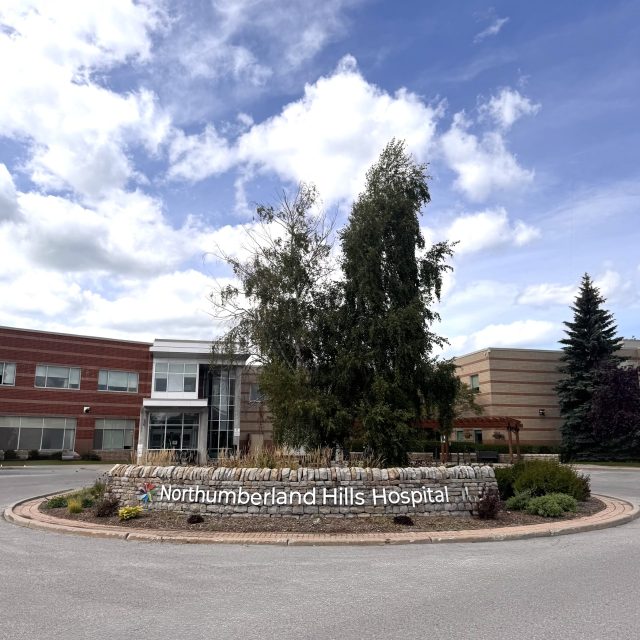
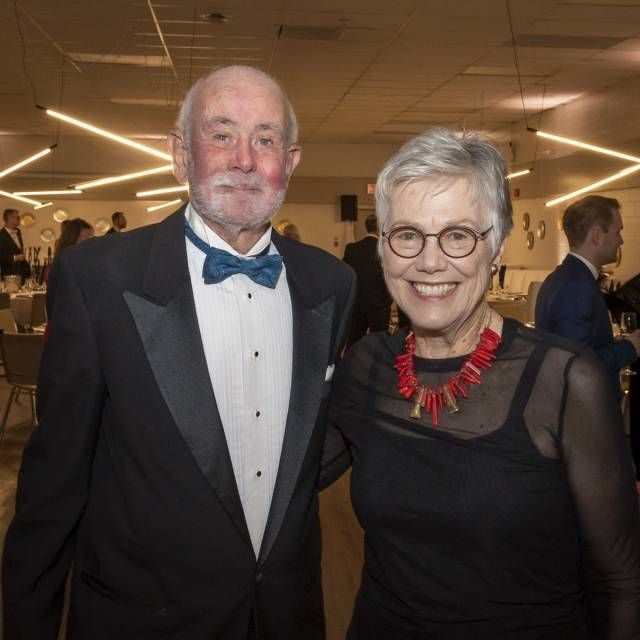
It’s the memory of these words that jump out in Bram Vermeulen’s mind when he’s asked to describe what the care is like at Northumberland Hills Hospital (NHH). These words were delivered to him recently by a nurse he’s come to know well over the past nine years, while he’s been a patient in the Lions and Lioness Cancer and Supportive Care Clinic.
On the day this line was delivered, Bram had arrived to NHH for chemotherapy, but there was a problem: the titanium port in his chest for his treatment to be administered through had become dislodged. The nurses were concerned, and he learned it needed to be removed, which could mean a trip to a regional hospital. This is when he heard it: “You stay here. I’ll be right back.”
His nurse went above and beyond to help and in the end, her efforts meant his port was removed onsite that same day.
“It’s taking those extra moments to help that make NHH so special,” shares Bram. “The team is compassionate and competent, and they will either help themselves or find you the care you need. We are lucky to have NHH in our community.”
Bram and his wife, Iris, first came to know the town of Port Hope years ago when visiting their son at Trinity College School (TCS). When it came time to retire, they made the decision to move from Toronto to this small community that had made a big impression during their visits. Since building their home in Port Hope in 2009, Bram and Iris have come to truly love the town, building friendships and getting involved in their community.
They were always grateful to have a well-equipped hospital less than 10 minutes away, but they could not have predicted how large of a role this would start to play in their lives. In 2015, Bram received the unexpected news that he had colorectal cancer. Since then, he’s had many treatments, tests, scans, and procedures at NHH. He’s a frequent out-patient, visiting the Cancer and Supportive Care Clinic for chemotherapy every couple of weeks, and he describes the team there – both staff and volunteers – almost as family.
“With an aging population, medical care is a need that will continue to grow,” says Bram. “Having accessible care, close to home, is critical and NHH is a shining example of the important role a hospital plays in a community. As a patient, and a donor, I can attest to the difference community support makes to having a well-respected and modern facility. Supporting our hospital is one of the best causes I can think of – you can trust your donation to be used wisely and to help many.”